“The child gives us a beautiful lesson – that in order to form and maintain our intelligence, we must use our hands”
MONTESSORI EDUCATION
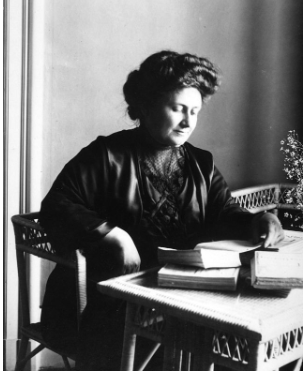
Maria Montessori Education
Montessori is a special method of education for young children. It was developed by Maria Montessori, an Italian doctor and educator. This system focuses on helping children learn naturally through hands-on activities, independence, and exploration.
STUDENTS LEARN BY THEIR OWN
Montessori education is a child-centered learning approach where children learn by doing activities instead of only listening to teachers. The classroom is designed so that children can explore and learn at their own pace.
This method is mainly used for toddlers and preschool children (around 2–6 years old).
Key Features of Montessori Education:
Child-Centered Learning Children choose activities that interest them, which helps them enjoy learning.
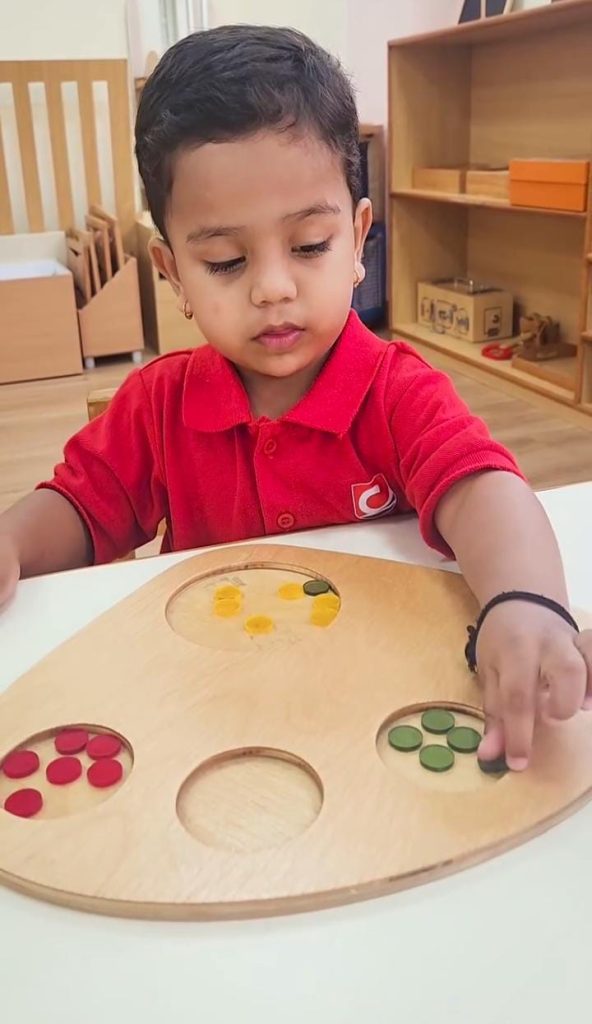
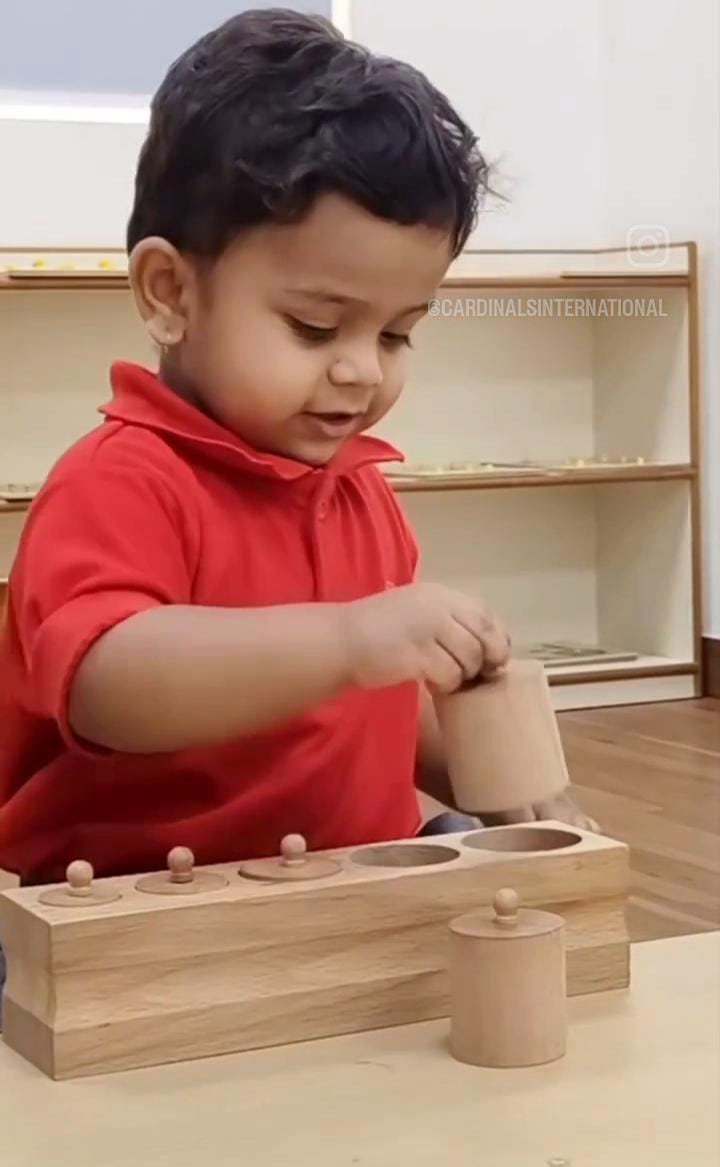
Hands-On Learning Children use special materials like blocks, beads, puzzles, and wooden toys to understand concepts.
Independence Children are encouraged to do things themselves, such as organizing materials or completing tasks.
Mixed Age Groups Montessori classrooms often have children of different ages learning together.
Prepared Environment The classroom is carefully arranged with learning materials that support creativity and exploration.
Activities in Montessori:
Some common Montessori activities include:
Sorting shapes and colors
Counting with beads
Learning letters with wooden alphabets
Practical life activities like pouring water or tying shoelaces